Fox Bling: A Designer’s Real-World Embroidery Review
First Impressions: Bold, Playful — and Immediately “Stitchable”
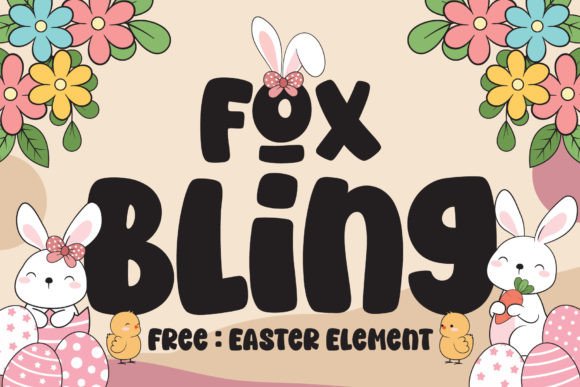
When I opened Fox Bling for the first time, my instinct wasn’t to type a headline—it was to imagine it stitched on a soft cotton tote bag for a local boutique. That’s how strong its personality is. Fox Bling isn’t subtle. It’s got bounce in its curves, punch in its terminals, and a kind of joyful irreverence that feels handmade—not algorithmic. As a color font, it leans into expressive contrast and layered visual energy, which translates beautifully to embroidery when approached with intention. It doesn’t scream “logo”—it whispers “personality,” then delivers it with confidence.
A Real Project Test: Custom Baby Onesies for a Nursery Collection
Last month, I used Fox Bling to embroider “LITTLE FOX” across the chest of organic cotton onesies—part of a small-batch nursery line for an Etsy seller. The goal? Warmth, charm, and zero “clip-art” energy. Fox Bling delivered—but only because I adjusted for embroidery reality. On smooth, stable fabric with medium-weight cutaway stabilizer, the letterforms held their shape beautifully. The rounded terminals and open counters stayed legible even at 3.2 inches wide. Customers loved the whimsy—and more importantly, they *recognized* it as intentional design, not a quick font swap.
Where Fox Bling Shines (and Where It Needs Guardrails)
Fox Bling thrives in projects where character matters more than precision: embroidered patches for denim jackets, tote bag designs for craft fairs, sweatshirt fronts for small shop merch, and pillow covers for playful home goods. Its expressive weight and rhythmic spacing make it ideal for personalized gifts—think “FOX & FOLK” on a linen tea towel or “WILD AT HEART” on a baby blanket.
But here’s what I learned the hard way: Fox Bling isn’t built for tight constraints. Avoid it on curved surfaces like caps unless you reduce size significantly and test stitch density. It struggles on thin or stretchy fabrics (like jersey onesies) without heavy stabilizing—and on dark fabric, some of its lighter interior details can vanish unless thread contrast is dialed in carefully. Tiny lettering? Below 2 inches wide, the inner shapes start collapsing under satin stitch pressure. And on textured fabrics—burlap, terry cloth, or heavily brushed fleece—the fine transitions between color layers get lost.
Design Integrity Meets Embroidery Reality
What sets Fox Bling apart from other playful fonts isn’t just its look—it’s how it invites thoughtful execution. Unlike flat outline fonts, its color-font nature suggests depth, dimension, and layering. In embroidery terms, that means planning for fill stitch gradients, strategic satin stitch direction changes, and intentional thread color pairings. When executed well, it elevates a handmade product from “cute” to “curated.” Buyers notice that difference—it builds trust, reinforces brand consistency, and increases perceived value. One repeat client told me her customers now ask specifically for “that fox-style lettering” on custom orders. That’s not luck. That’s Fox Bling working *with* your process—not against it.
Practical Notes Every Embroidery Designer Should Check
- Always test on scrap fabric first—especially if using it for commercial embroidery or Etsy listings. Stitch it at your intended size, on your target fabric, with your go-to stabilizer stack.
- Review stitch density closely. Fox Bling’s energetic shapes can create dense clusters in curves and corners. Trim excess jump stitches and watch for puckering on lightweight fabrics.
- Confirm hoop size early. Its natural width at readable scale often pushes 4–5 inches—so verify your machine’s max hoop capacity before digitizing or purchasing.
- Inspect small details manually. Zoom in on terminals, joins, and interior cutouts. Some color-font interpretations translate to tiny fill areas that may need manual cleanup in your embroidery software.
- Test black-and-white mockups alongside full-color previews. If Fox Bling loses its voice in grayscale, it may not hold up across varied product applications.
- Compare light and dark fabric backgrounds. Its vibrancy relies on contrast—so what pops on ivory may disappear on navy unless thread choices are deliberate.
- Use proper stabilizer—not just “whatever’s on hand.” Medium-cutaway works best for most Fox Bling applications; tear-away can cause distortion in its bolder curves.
- Verify licensing before selling finished items or digital embroidery files. As a color font, Fox Bling may carry usage restrictions for commercial embroidery or resale of digitized versions—check the original license terms before listing on Etsy or bundling with craft kits.
Fitting Fox Bling Into Your Creative Workflow
If you’re an Etsy seller building a cohesive collection—or a small shop owner refreshing seasonal merchandise—Fox Bling works best as a *signature accent*, not an all-purpose workhorse. Use it for limited-edition holiday embroidery, boutique branding elements, or standout personalized gifts. Pair it with clean sans-serifs or neutral script fonts for balance. In printable mockups, it adds instant energy—just remember to show real-stitch examples, not just vector previews, so buyers understand how it behaves in thread.
For craft business owners, Fox Bling is less about speed and more about storytelling. It tells customers, “This wasn’t mass-produced. It was chosen—then stitched—with care.” That resonance matters—especially when your handmade product competes with big-box alternatives.
Final Thought: Not Just a Font—A Design Decision
Fox Bling isn’t for every project. But for the right one—a cheerful embroidered apron for a baker, a bold patch for a kids’ backpack, or a vibrant sweatshirt front for a summer pop-up—it adds unmistakable warmth and authenticity. It rewards attention to detail, respects the craft of embroidery, and connects with people who value personality in handmade goods. As a designer and reviewer, I don’t reach for Fox Bling when I need efficiency. I reach for it when I want meaning—and when the finished product deserves to be remembered.