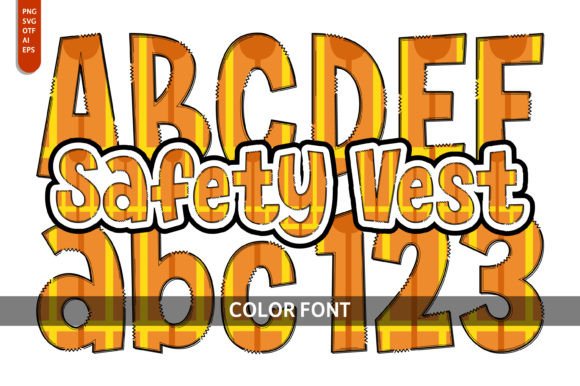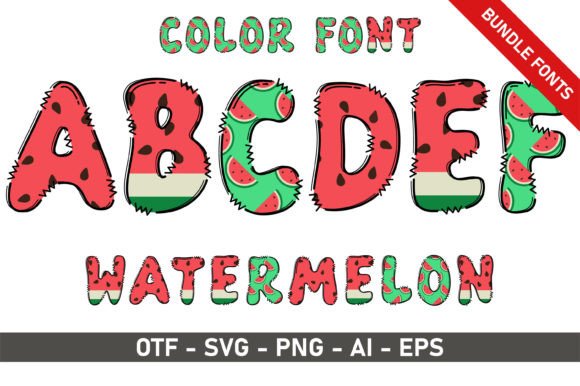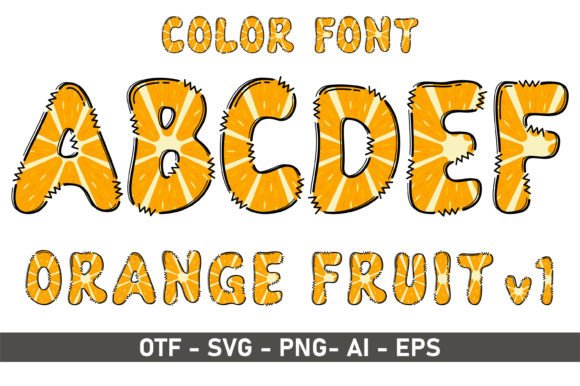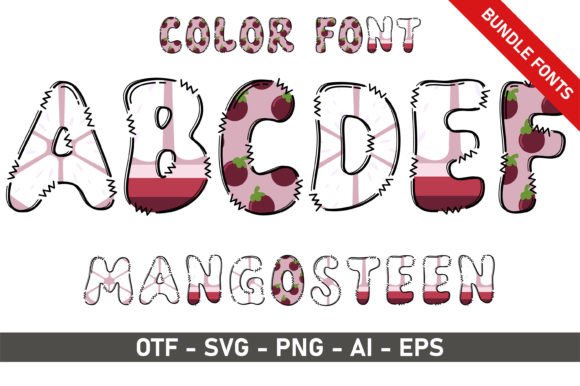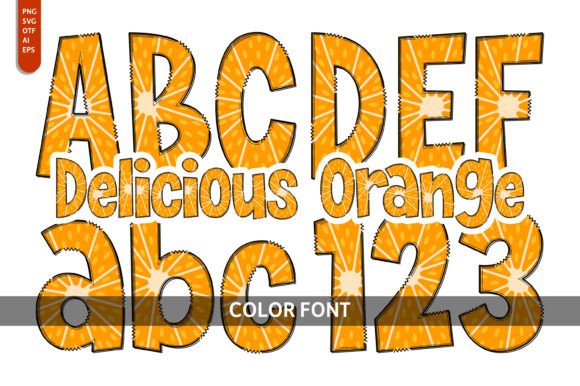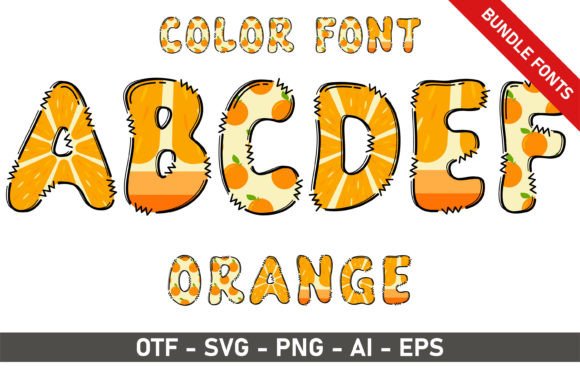
Orange Bundle: Playful, Artistic Fonts for Embroidery
First Impressions: Bright, Bouncy, and Unmistakably Handmade
When I opened Orange Bundle for the first time—prepping it for a custom embroidered tote bag order—I felt that familiar spark of “yes, this fits.” Not flashy, not sterile, but warm and intentionally imperfect. The letterforms have soft curves, subtle irregularities in stroke weight, and a gentle tilt that reads as joyful rather than sloppy. It’s the kind of font you’d sketch with a marker on kraft paper, then digitize with care—not to erase the hand, but to honor it. That’s what makes Orange Bundle work so well for embroidery: it doesn’t fight the medium. It leans into texture, stitch variation, and the slight give of fabric.
A Real Project Test: Baby Onesie + Matching Tea Towel Set
Last week, I used Orange Bundle to embroider “Sunny Days” across a 100% cotton onesie and a linen-cotton tea towel for a boutique baby gift set. On the onesie, the letters held up beautifully at 3.2" wide—no crowding, no thread nesting. The rounded terminals softened the satin stitch edges just enough to avoid harshness against delicate skin. On the tea towel, the same design popped with contrast stitching (orange thread on natural linen), and the open spacing between letters let the fabric breathe. Customers commented on how “friendly” and “thoughtful” the text looked—not like a stock font slapped on, but like part of the item’s story.
Where Orange Bundle Shines in Real Embroidery Work
- Custom apparel: Especially on sweatshirts and relaxed-fit tees where a rigid sans-serif would feel cold. Orange Bundle adds warmth without sacrificing legibility.
- Tote bags & aprons: Its generous x-height and airy kerning keep text readable even when stitched on canvas or heavy twill.
- Baby embroidery & nursery decor: Gentle curves and no sharp angles make it ideal for onesies, burp cloths, and wall hangings—parents consistently choose it over bolder fonts for its soothing vibe.
- Holiday embroidery & personalized gifts: Works especially well for “Merry & Bright,” “Cozy Season,” or “Handmade with Love” tags on ornaments, pillow covers, and kitchen towels.
- Etsy listings & small shop branding: When used in digital embroidery files or printable mockups, Orange Bundle signals approachability and craft integrity—key for handmade product buyers.
Where to Use Orange Bundle Thoughtfully
This isn’t a one-size-fits-all embroidery font. Its charm lives in its looseness—and that means some situations need extra attention:
- Small hoop sizes (under 4"): Letter spacing tightens visually when scaled down. Test at your smallest intended size—some characters may need manual kerning adjustment before digitizing.
- Textured or stretchy fabrics: On terry cloth or ribbed knits, reduce fill stitch density slightly to prevent puckering. A lightweight cutaway stabilizer helps maintain shape without stiffness.
- Dark or dense fabrics: Because Orange Bundle relies on shape more than stark contrast, avoid ultra-thin thread on black fleece—opt for matte polyester or variegated thread instead of high-sheen rayon for better definition.
- Curved surfaces (caps, hats): The natural tilt can exaggerate distortion on crown embroidery. Rotate the design slightly counter-clockwise pre-hooping to compensate—or use it only on flat panels like front panels or back flaps.
- Dense decorative accents: Don’t pair Orange Bundle with heavy bullion or layered applique directly beneath the text—it competes. Let it stand alone, or frame it with simple running-stitch borders.
What Orange Bundle Adds to Your Finished Product
It’s not just about how it looks—it’s about how people *respond*. When customers see Orange Bundle on a finished embroidered patch or sweatshirt, they register intention. They sense that someone chose this font because it matched the feeling of the item—not because it was the default. That builds trust. For Etsy sellers, that translates to fewer “Is this really handmade?” questions and more repeat buyers who recognize your visual voice. For craft fair vendors, it elevates a simple tea towel from “nice” to “I want this in my kitchen.” And for commercial embroidery shops? It’s a quiet differentiator—clients notice when their boutique logo feels cohesive across stitched tags, packaging, and social mockups.
Practical Designer Notes Before You Stitch
- Always test Orange Bundle on scrap fabric matching your final project’s weight, weave, and stretch.
- Check thread color contrast early—especially if using pastels or muted oranges. What reads softly on screen may vanish on oatmeal linen.
- Review stitch density in the fill areas. Too dense = stiff text; too sparse = broken outlines. Adjust based on fabric drape.
- Confirm hoop size compatibility—some Orange Bundle variations include extended ascenders/descenders that need vertical clearance.
- Inspect small details like inner counters (e.g., inside the ‘e’ or ‘a’) at actual stitch-out size. Tiny gaps can close up or disappear entirely.
- Test in black-and-white mockups. If it loses personality in grayscale, reconsider contrast or background choices.
- Compare performance on light vs. dark fabric backgrounds—stitch behavior changes more than you’d expect.
- Use appropriate stabilizer: tear-away for stable wovens, cutaway for knits, and water-soluble for delicate layers.
- Verify licensing terms before selling finished products or digital embroidery files—Orange Bundle is a Color Fonts release, so usage rights matter for commercial embroidery and digital product sellers.
Final Thought: A Font That Feels Like a Collaboration
Orange Bundle doesn’t dominate a project—it partners with it. It works with the rhythm of the needle, the grain of the fabric, and the quiet pride of making something by hand. Whether you’re stitching baby onesies for a local boutique, designing embroidery files for your Etsy shop, or building a cohesive brand language across patches and apparel, Orange Bundle brings consistency without repetition. It’s playful, yes—but never unserious. And in embroidery, where every stitch carries intention, that balance is everything.